Malta 2025

In October 2025, Mickey and I explored the Mediterranean gem of Malta, visiting limestone cities, coastal villages, and cliffside trails. What we found was a land where history meets horizon, ancient walls glowing in golden light, fishermen mending nets in pastel harbors, and sea cliffs plunging into the sea.

Here’s a glimpse of the journey and a few tips for anyone dreaming of their own Maltese adventure.

Malta at a Glance

  • Location: In the Mediterranean, South of Sicily
  • Languages: Maltese (a fascinating blend of Arabic structure and European vocabulary, reflecting Malta’s history as a Mediterranean crossroad) and English
  • Currency: Euro (€)
  • Climate: Malta enjoys a classic Mediterranean climate with hot, dry summers and mild, rainy winters. With over 300 days of sunshine each year, summers often reach 30–35°C, while winters stay comfortably around 15°C. Rain falls mainly between October and March, leaving the rest of the year warm, bright, and perfect for outdoor living.
  • Transport: Reliable buses and fast ferries to Gozo.


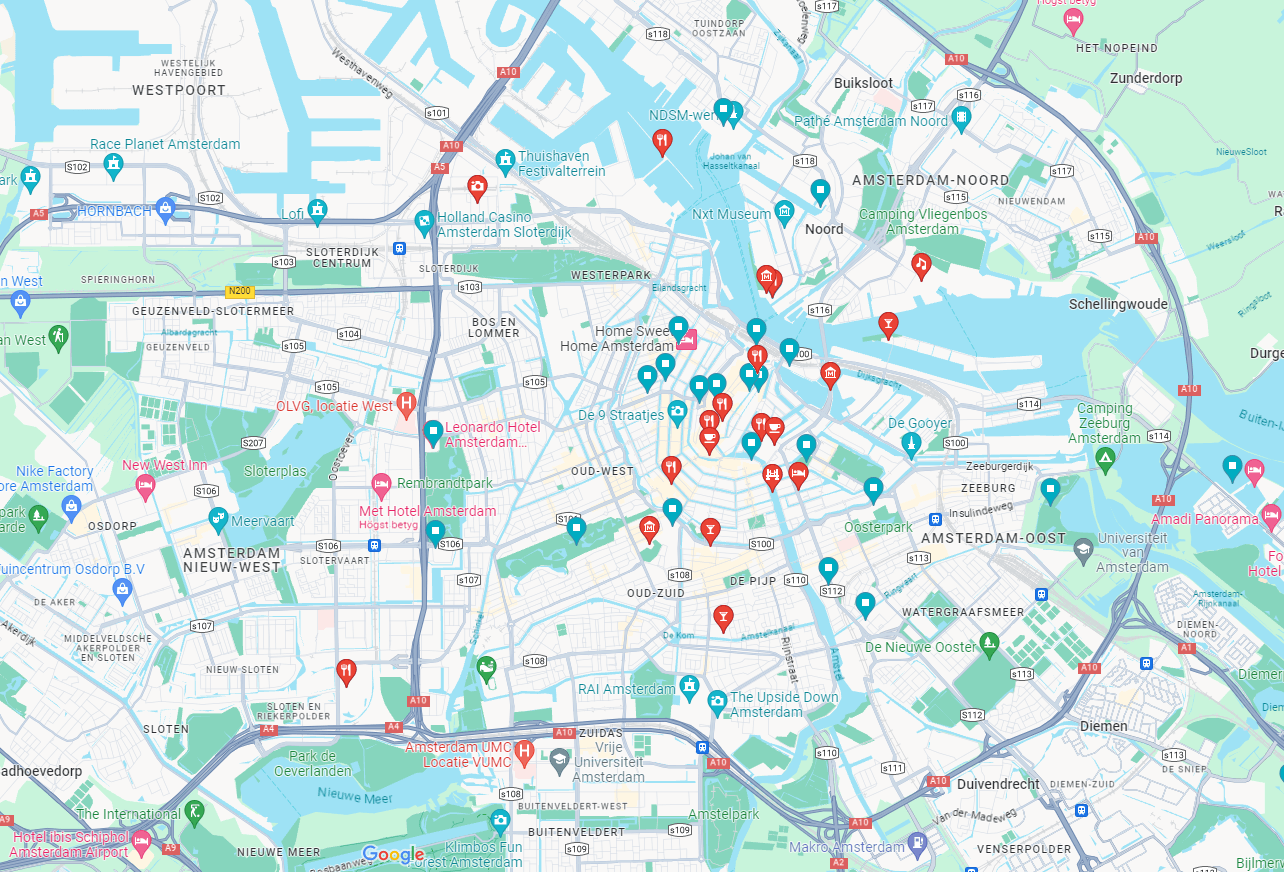
Google Maps saved Malta sights

Saturday, October 18 – Departure

Our Malta adventure didn’t begin quite as planned.

The flight to Zürich was delayed, meaning we missed our connection to Malta. Instead, we spent an unplanned night at Novotel Zürich.

Sunday, October 19 – Marsaxlokk & the Southern Coast

The day began very early — a 06:00 flight from Zürich to Malta, meaning leaving the hotel at 03:30!.

Arriving on Malta, a Bolt taxi (13 €) took us to Chapter5 Hotel in Ta’ Xbiex.

My first plan was to take a Vintage Bus to Marsaxlokk, Malta’s iconic fishing village, but due to the late arrival missing the Vintage Bus, we hopped on a very crowded express bus from Valletta to Marsaxlokk – clearly, many others had the same idea.

Marsaxlokk is best known for its Sunday fish market, where stalls overflow with the day’s catch of swordfish, octopus, mahi-mahi, and colorful piles of fruit and local delicacies. Rows of luzzu boats, painted in bright blues and reds and adorned with the protective “Eyes of Osiris”, rocked gently in the bay.

After lunch, we followed the coastal path toward St. Peter’s Pool and Il Kalanka, a scenic walk past rocky inlets, salt pans, turquoise waters and a power plant.

Dinner: Mamma Mia, an Italian restaurant not far from the hotel. It was “buzzing” with a large local family that delivered “cheerful chaos” as entertainment.

Monday, October 20 – Hiking from Blue Grotto to Dingli Cliffs

From Valletta we took bus 74 to Blue Grotto.

Located close to Żurrieq, Blue Grotto is a network of sea caves, famous for their luminous blue reflections.

After seeing the sights and view points, we noticed dark skies approaching and decided to have a coffee break, inside. The café became suddenly very popular due to a massive skyfall!  

After the rain passed, we hiked to Dingli Cliffs. The favorite was the beautiful Triq Panoramika with fantastic rugged, dramatic cliffs and breathtaking sea views.

At 253 m. above sea level, Dingli Cliffs are the highest point in Malta, offering sweeping views of the Mediterranean and the tiny uninhabited island of Filfla. The sheer drop into the sea is dramatic, “breathtaking” almost feels like an understatement.

Whether you drive up to St. Mary Magdalene Chapel for the view or hike the whole trail, this is one of Malta’s most spectacular natural sights.

The bus from Dingli Cliffs was cancelled and we started walking towards the small village of Dingli. Suddenly, from nowhere, there was another skyfall and we ran to a shed for some sort of shelter, even if we were already soaked.

The afternoon and evening plan was to visit Mdina, to see the sunset, it was cancelled due to weather and clothing condition. We took bus 52 back to Valletta for a hot shower and dry clothes.

Trail Notes: Distance: ~13 km | Elevation: ~280 m. | Duration: 3.5–4 hrs. | Difficulty: Moderate (some rocky paths)

Dinner: Shakinah, an excellent Indian restaurant close to the hotel that hit the spot after a long hike. Great cocktails, hot and spicy food and a cool wine cooler.

Tuesday, October 21 – Gozo: Island of Quiet Charm

We caught the Gozo Fast Ferry from Valletta, a 45 minutes boat ride with departures every hour from the Valetta ferry terminal.

Gozo feels like stepping back in time: quieter, greener, and more traditional than Malta’s main island. The island’s heart is Victoria, crowned by the Citadel, a fortress that offers panoramic 360° views and a glimpse into centuries of layered Maltese history.

In the afternoon, we hiked to Xlendi Bay, a small cove surrounded by steep cliffs. Once a fishing village, it’s now a resort area with some, in my opinion, strange architecture. We visited the local sights – a sea cave, and a viewpoint overlooking the cliffs and the village. Stopped for a refreshing after-hike rosé at Terrazzo Restaurant & Beach Bar. 

Back in Valletta we enjoyed the birthday dinner at Adesso, a cozy Mediterranean/Italian restaurant with very friendly service from Nepalese and Indian staff, The dinner came to exactly 111 Euro. Not 110, not 112 – but that perfectly balanced trio of ones. It felt less like a receipt, more like a wink from the universe:

  • In numerology, 111 is the number of alignment, fresh starts, and manifestation. So maybe the universe was reminding me: this year is about new beginnings, clear intentions, and trusting the path ahead.
  • From a designer’s view, 111 is pure minimalism — three clean strokes, standing tall in harmony. It’s a number that looks like a logo for renewal, a visual mantra for simplicity and balance.

Wednesday, October 22 – Valletta Walkabout

We began the day with a pleasant walk along the harbor promenade to the Sliema ferry terminal, then crossed the bay to VallettaMalta’s capital and a UNESCO World Heritage site.

Valletta is one of the smallest capitals in Europe, filled with beautiful golden limestone buildings, colorful balconies, carved doorways, peeling paint and steep narrow streets, compact but dense with long history. Built by the Knights of St. John in the 16th century, the city is a living museum of baroque architecture.

With only 6,500 residents, Valletta feels more like a village than a capital. Every corner reveals something new, ornate balconies, quiet cafés, and views over the harbour.

We stopped at Atilem Coffee & Wine — cozy spot on one of the steep and narrow streets, with excellent antipasti and wine.

After the pit stop we walked around Fort St Elmo, Had lunch at 1522, A Food Story.. – contemporary Maltese fusion, also located on a narrow steep road. Inside there was a series of fun framed 3D printed animals    

Visited Spazju Kreattiv, a creative arts hub inside an old fort, Fascinating and interesting photo exhibition by local photographers.   

Arrived at closing time to St. John’s Co-Cathedral, home to Caravaggio’s dramatic The Beheading of St. John the Baptist,  – we see that next time.

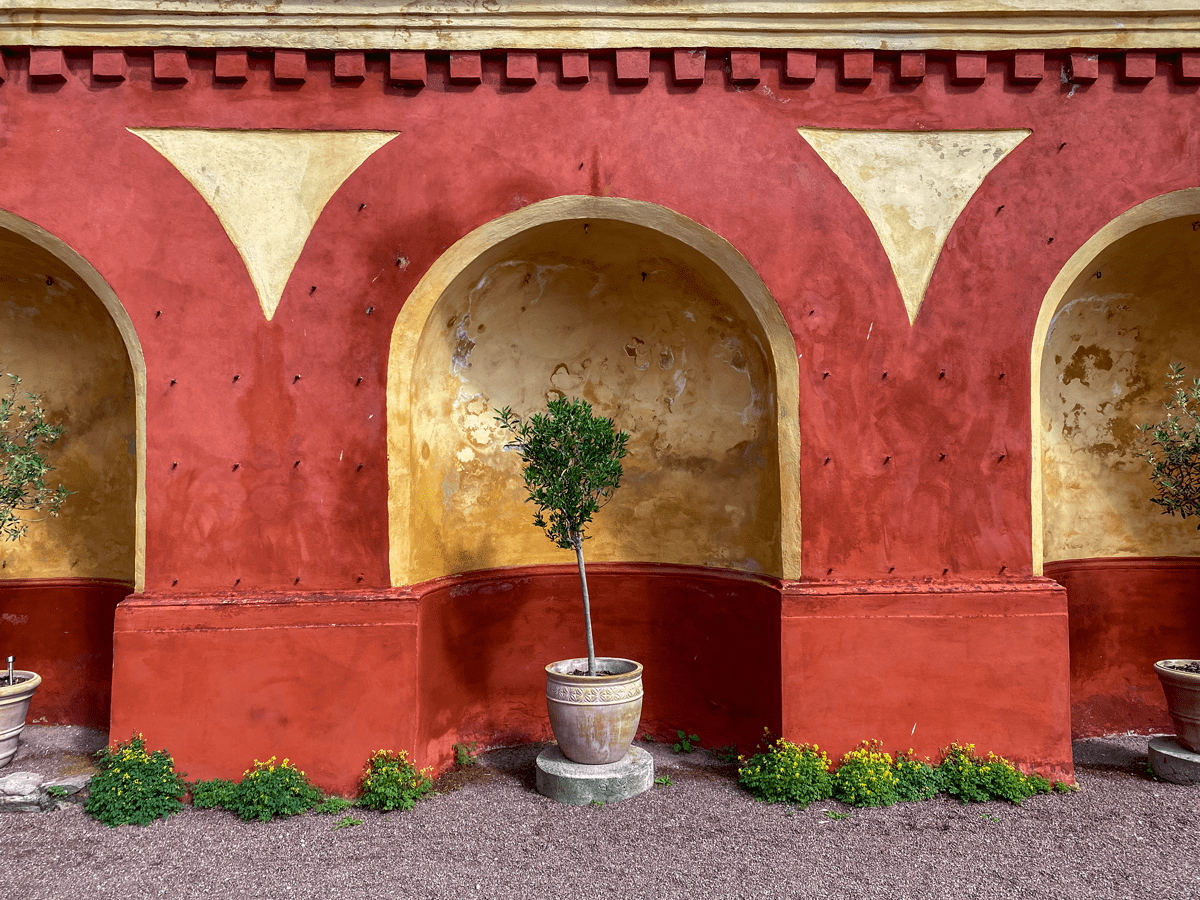
Since I love texture, light, colors and patina Valletta was fantastic, where every door, shutter, and sun-washed wall tells a story, not just of color, but of centuries. This island has been lived in, loved, and weathered for over 7,000 years. Phoenicians, Romans, Arabs, Knights, the British, each left their mark, and the limestone remembers. The patina is not only decay, it’s memory. Salt air, sun, and time have etched themselves into every surface. Peeling paint becomes poetry. Rust becomes a signature, a chipped tile is a timestamp.

Dinner: Jungle Joy, Thai restaurant and bar. Authentic, spicy, and cooked “as the Thai Mama Chef liked it”. Dinner was followed by spontaneous karaoke entertainment.

Thursday, October 23 – Sliema & Departure

Our last morning was all about slowing down. Starting with a tasty avocado, bacon and scrambled egg on sour dough bread at Fifteen37 Café, just around the corner from the hotel.


Took the bus to Sliema and walked the 5 km. seafront promenade, watching locals jog, cafés fill up, and swimmers at the Victorian-era baths.

Sliema represents modern Malta, lively, coastal, and cosmopolitan. With its sea views and fast Wi-Fi, it’s no wonder digital nomads love it here.

After a final rosé overlooking the harbor, we packed up and headed for our flight home.

Reflections

Malta is a place where every horizon hides a story. Whether you come for the history, the food, or the sea, this island invites you to slow down, look closer, and savor every view.

If you’re planning your own Maltese journey, feel free to reach out, I’m happy to share maps, routes, and practical tips from our trip.

Malmö Sightseeing Söndagstur

On a summer Sunday, 29 June, with clear skies, warm breeze, and the perfect excuse to roll through the city – a Malmö City Skaters Söndagstur special, stretching a solid 27 km around Malmö’s scenic bike paths and urban charm. Joining us were our good neighbours from across the sound – 5 skaters of the Copenhagen inline club VRK. A wonderful mix of cross-border camaraderie, smooth asphalt, and ice cream breaks, made it an unforgettable ride.

[Previous Malmö sightseeing post]


The sights on the map are listed below. 


  1. Ribban – Kallbadhuset
    “Where Malmö keeps its cool. Cold dips, hot saunas, and salty attitude since 1898.”
    This open-air bathhouse is one of Sweden’s oldest and offers year-round nude bathing—yes, even in winter!

  2. Västra Hamnen & Bo01
    “Futuristic vibes meet sunset selfies. Malmö’s most ‘Instagrammed’ skyline.”
    It’s Sweden’s first carbon-neutral district, built on a former shipyard. Housing 11,400+ residents over the age of 16. A young, well-educated community with many families, especially with preschoolers. Sustainable living. Sea breeze. Malmö’s city of tomorrow.
    Launched during the 2001 European Housing Expo, Bo01 was the world’s first neighborhood powered entirely by renewable energy. Designed by urban planner Klas Tham, it transformed a former shipyard and industrial ruins into a liveable vision of sustainable urbanism.

  3. Turning Torso
    “A skyscraper doing yoga. It twisted its way into architecture history.”
    At 190 meters, it’s the tallest building in Scandinavia. Designed by Santiago Calatrava, it mimics a human body in motion—based on his sculpture ‘Twisting Torso.’

  4. Scaniabadet
    “Where sunsets meet swimsuits. A sea breeze dream in Västra Hamnen.”
    Built in 2005, Scaniabadet is a public bathing spot with wooden decks, ladders, and unbeatable Öresund views. It’s especially popular for summer swims, seaside strolls, and sunset pics with the Turning Torso in the background.

  5. Sound Hills
    “Where art meets acoustics. Malmö’s ear-shaped green landmark.”
    These grassy mounds are part of an acoustic art installation designed to reflect sound like a natural amphitheatre.

  6. Stapelbädden
    “Skaters, climbers, dreamers—Malmö’s creative playground.”
    Stapelbäddsparken is one of Europe’s largest skateparks, tucked beside former shipbuilding warehouses now reborn as hubs of street culture.

  7. Gängtappen – The Bolt of Malmö
    “Steel bones and sea breeze. Where Kockums once ruled the skyline.”
    Designed by architect Paul Hedqvist and inaugurated in 1958, Gängtappen (nicknamed Kockumshuset) was once Sweden’s tallest office building at 65 meters. Its triangular shape and flexible interior walls made it a modern marvel of its time.
    The building served as Kockums AB’s headquarters until 2015 and still stands tall in Västra Hamnen, now housing companies like Länsförsäkringar Skåne.

  8. Kockums Wharf
    “Steel, ships, and skyhooks. Malmö’s mighty past still echoes here.”
    Once home to one of the world’s largest shipyards, Kockums built supertankers and submarines. The iconic Kockums Crane, towering at 140 meters, was a city landmark until it was sold to South Korea in 2002.

  9. Malmö Live
    “Music, design, and skyline dreams. Like a concert hall in a tuxedo.”
    Opened in 2015, it houses the Malmö Symphony Orchestra, a luxury hotel, design-forward meeting spaces and a sky bar & restaurant at 25th floor.

  10. The Knotted Gun / Non Violence
    “Peace with a twist. Malmö’s message to the world—don’t shoot, rethink.”
    Created by Swedish artist Carl Fredrik Reuterswärd in memory of John Lennon, this sculpture of a revolver with its barrel tied in a knot has become a global symbol of non-violence. One of many around the world, Malmö’s version quietly guards the area near the Central Station.

  11. Malmö Central Station
    “Where Malmö says hej and hejdå. A perfect mix of trains and Danish pastries.”
    Dating back to 1856, Malmö Central is one of Sweden’s oldest working stations—linking history to modern-day commutes.

  12. Raoul Wallenbergs Park
    “Quiet strength in green surroundings. A space to remember courage.”
    Named after Swedish diplomat Raoul Wallenberg, who saved tens of thousands of Jews during WWII, this leafy park is both a tranquil city escape and a tribute to human rights. Sculptures and plaques here honor his legacy of bravery and civil courage.

  13. P-House Anna
    “Concrete canvas and parking perks. Malmö’s most colorful garage.”
    Besides offering rooftop views, this multi-level car park hosts Malmö’s largest legal graffiti wall, an ever-changing wall curated by street artists and embraced by the city—a living gallery for local expression.

  14. City Hall 
    “Where decisions echo under copper spires. Malmö’s seat of power with architectural flair.”
     Built in 1993, Malmö’s current city hall was designed by architects Marianne Dahlbäck and Göran Månsson. It blends classic Swedish materials with modern functionality and houses the municipal council chambers.
  15. Möllevångstorget
    “Fruit stands, falafel, and full-on vibes. Malmö’s cultural heart beats loudest here.”
    Known simply as ‘Möllan,’ this buzzing square blends global flavors and local activism into one big urban picnic.

  16. Triangeln Station
    “Bright lights, sleek lines, and fast connections beneath the city.”
    Triangeln is Malmö’s central underground station, linking the city from north to south. Opened in 2010, it features separate entrances at St. Johannesgatan (south) and Södra Förstadsgatan (north), with direct trains to Copenhagen in under 40 minutes.

  17. Malmö Konsthall & Points of View Sculpture
    “Art so modern, it might just wink at you. Free entry, infinite ideas.”
    One of Europe’s largest contemporary art spaces, filled with natural light and Nordic minimalism.
    Points of View Sculpture. Created by British sculptor Tony Cragg, this abstract bronze sculpture stands in front of Malmö Konsthall. Titled Points of View, it plays with perspective—what seems chaotic from afar reveals symmetry up close. Much like Malmö itself, it’s all about seeing things from more than one angle.

  18. Malmö Opera
    “Drama, high notes, and stage flair. Malmö’s elegant opera house.”
    Opened in 1944, it’s one of Sweden’s leading opera venues.

  19. Pildammsparken & Margaretapaviljongen 
    “Where swans drift and summer lives.”
    Pildammsparken, Malmö’s largest park, was originally built for the 1914 Baltic Exhibition. Its serene ponds once served as the city’s water supply. Nestled within is the Margaretapaviljongen, a historic pavilion named after Crown Princess Margareta.
    Nearby, the
    Pildammsteatern hosts open-air performances every summer—a tradition since 1952

  20. Malmö Stadion – Old & New
    “From World Cup kicks to local pride. Malmö’s football pulse lives here.”
    The 1958 stadium hosted Pele and is now getting demolished. The new one keeps the roar alive with MFF home games and concerts.

  21. Kroksbäck Skatepark
    “Kickflips and wall runs. Urban sport meets Malmö’s wild side.”
    The skatepark was built in 2016 for the Vans Park Series World Championship final. Designed for advanced bowl skating, it helped cement Malmö’s reputation as one of the most skate-friendly cities in the world

  22. Holma Hills
    “Cityscape views and wildflowers. Feels like Malmö’s secret rooftop.”
    Built on a reclaimed landfill, this green haven offers walking paths, meadows, and skyline photo ops.

  23. Malmö Mässan
    “Where big ideas gather. From LEGO shows to tech wonders.”
    This modern expo center hosts everything from comic cons to climate summits.

  24. Mother Statue
    “Bronze, boldness, and becoming.”
    Created by Swedish artist
    Charlotte Gyllenhammar. This striking 10-ton bronze sculpture was unveiled in 2014 and stands as a powerful symbol of emergence and vitality—depicting a monumental female figure rising from the earth, water cascading from her mouth.

  25. Emporia Shopping mall
    “Shopping mall with altitude. Gardens on top, deals down below.”
    Emporia isn’t just a shopping mall—it’s a visual experience. Its two grand entrances, the golden-hued Amber Entrance and the deep-blue Water Entrance, reflect Malmö’s elemental ties to nature. With more than 200 shops, restaurants, and a rooftop park spanning 27,000 m², it’s a modern maze of design, dining, and discovery – all connected by Sweden’s most colorful escalators.

  26. Malmö Arena
    “Skate by, hear the roar. Hockey, concerts, and Eurovision glitz.”
    Home of the Malmö Redhawks and hosted Eurovision 2013 and 2024. If Malmö had a heartbeat, you’d hear it echo here.
    Skajbar at Hyllie Hotel – 85 meters above sea level at Malmö’s largest skybar. Located on the 16th floor of Malmö Arena Hotel, Skajbar offers panoramic views of the city and the Öresund Bridge,

  27. Hyllie Water Tower
    “The concrete donut in the sky. Quirky and iconic.”
    Built in 1973, its 10,200m³ reservoir lights up nightly with ever-changing LED art.
    And no, there is not a restaurant at the top.

  28. Hyllie station & Citytunnel
    “Fast trains, big dreams. Malmö’s southern gateway on the rise.”
    Opened in 2010, Citytunneln is a 17 km rail link that connects Malmö Central Station with Triangeln and Hyllie, allowing trains to bypass the old above-ground bottlenecks. A key piece of the Öresund connection, it cut travel time between Sweden and Denmark and brought Malmö closer to the world—literally and figuratively. Most of the tunnel runs beneath the city, making cross-border commuting smooth, fast, and weatherproof.

  29. Kalkbrottet
    “Fossils, falcons, and Malmö’s secret canyon.”
    This limestone quarry dates back to 1866 but holds fossils from 65 million years ago. Now a protected nature reserve with over 2,000 species—including green toads and peregrine falcons.
    Twist: Its cement helped build Rio’s Christ the Redeemer statue… or so the story goes.

  30. Lernacken & Luftkastellet – Sunset Watchpoint
    “Last light over Öresund. Where city edges meet endless skies.”
    Lernacken marks the dramatic point where Malmö gives way to sea and sky, just before the Öresund Bridge stretches into the horizon. Nestled here is Luftkastellet—a striking modernist venue known for weddings, events, and jaw-dropping views. It’s one of the best sunset spots in the region, where golden hour bathes both bridge and sea in Nordic calm. On quiet evenings, it feels like standing at the edge of Scandinavia.

  31. Öresundsbron
    “Steel, sea, and seamless travel. Where Malmö meets the world.”
    Opened on 1 July 2000, the Öresund Bridge stretches 15.9 km and connects Malmö, Sweden to Copenhagen, Denmark via both road and rail. It’s Europe’s longest combined bridge-tunnel structure, transitioning into the Tunnel via the man-made island Peberholm.
    Bonus: The bridge carries around 20,000 vehicles and 75,000 passengers daily, and was built without a single taxpayer krona—funded entirely by tolls.

  32. Sibbarp Beach
    “Chill meets coast here.”
    Close to the Öresund Bridge, Sibbarp is where locals gather for barbecues, casual swims, and quiet sunsets. With grassy knolls, sandy patches, and long bathing jetties, it blends beachy chill with coastal charm. On a clear day, you can spot Copenhagen winking across the strait.

  33. Limhamns Småbåtshamn
    “A peaceful harbor with over 1,000 berths, nestled in Malmö’s southwest.”
    Views of Öresund Bridge and easy access to beaches and bike paths. Classic seaside charm just minutes from the city buzz.

  34. Ribersborg Beach
    “Nothing says Malmö summer like a day at Ribersborg Beach.”
    Ribersborg – or “Ribban” as locals fondly call it – stretches more than 1.5 kilometers along the Öresund coast, just minutes from downtown. With its mix of cold baths, dog beach, nude bathing spots, outdoor gyms, and wide lawns for lounging, it’s a lively blend of leisure and activity. In the warmer months, Ribban pulses with barbecues, salsa beats, and sun-seeking crowds, all framed by views of the iconic Turning Torso and seaside breeze.

A scenic road-trip along the Swedish south coast – 2025

Earlier this spring, Saturday 29 March, I had the pleasure of taking three visiting friends from India, Gowtham, Mohan and Sanath. on a road trip along the south coast of Skåne, to share a few glimpses of Swedish culture and nature, and to enjoy good conversations along the way.

We began our trip at Emporia [1], one of the largest shopping centers in Scandinavia with around 180 shops and restaurants. The modern architecture, with its stunning curved glass entrances – an amber-colored and a blue, is designed by Wingårdh Architects and opened in 2012.

The Emporia rooftop viewpoint offering panoramic views of Malmö and the Öresund Bridge. The viewpoint sits at approximately 65 meters above sea level and providing a beautiful view, in clear weather 🙂


First stop on the trip was Skanör [2] and Falsterbo [3], 34 km southwest from Malmö. These two idyllic seaside towns are known for their white sandy beaches and pastel-colored beach huts that only the locals, living in the municipality, can buy for around 200.000 SEK. Many are also inherited, to keep in the family. 

“It was super cold during the first couple of days—too cold for an Indian like me! But by the time of the trip, I had adjusted enough that Sanath and I even walked into the beach water and took a few photos. Luckily, it was a sunny day, which made things better.” (Mohan)

The area was once a bustling medieval trading hub, today, these towns are a tranquil escape, offering some of Sweden’s finest beaches, birdwatching opportunities, and even a touch of luxury.

In the area you also find Falsterbo Golf Club, one of Sweden’s oldest golf courses, established in 1909,  offering a fantastic course with beautiful views.

Falsterbo Horse Show that each summer hosts one of the world’s most prestigious equestrian events.

Sweden’s oldest nature reserve, Måkläppen Sanctuary, open for visitors between 1 November – 31 January. Here you can enjoy bird watching and and wild seal spotting.


Continuing eastward along the scenic coastline, we reached Smygehuk [4] (47 km from Malmö), the southernmost point of Sweden and the entire Scandinavian Peninsula. 

The area features Smygehuk Lighthouse that dates back to 1883. During the summer months, there are lots of activities – music, art, culture, and shopping. The winter offers clean, crisp air, spectacular sunsets.

The viewpoint Utkiken is a platform that marks the southernmost point in Sweden, from which one can see Köpmansmagasinet, dating from the early 19th century. Rumor has it that it was once a smuggler’s nest during the Napoleonic Wars. There is a signpost pointing to places such as Berlin, Copenhagen, Stockholm, and the North Pole.

We enjoyed lunch at Sweden’s southernmost café, Café Smyge, with their famous prawn sandwich,

“Lunch at Café Smyge was something new—I couldn’t really figure out the food, but it was interesting! Luckily, we found some Indian food in the evening. I was happy—spicy food always hits the spot.” (Mohan)


After lunch we followed the coastline to Ystad Saltsjöbad [5], about 65 km from Malmö. This elegant luxurious spa resort offers a charming and classic Newport-style experience with sea views, delicious food, and a relaxing spa. The resort has a rich history dating back to the 19th century and is situated just 20 meters from the sea, providing an excellent location for a getaway.

Ystad itself is famous for its medieval streets and as the setting for Henning Mankell’s Wallander crime novels.


Our final stop along the south coast was Ales Stenar [6] (80 km from Malmö), a 1,400-year-old Viking stone ship located on a hill overlooking the sea. Composed of 59 massive boulders weighing up to 5 tonnes each, this mysterious monument is one of Sweden’s most fascinating historical sites. Whether it was used as a burial ground or a solar calendar remains a mystery, but the view from here is breathtaking, especially at sunset.

“At Ales Stenar, the sea view was beautiful. Me and Sanath climbed down from Kåseberga ridge to the seashore and caught a peaceful sunset while walking on the stones near the water.” (Mohan)


Returning to Malmö, we ended our journey at Möllevångstorget [7], a lively square in the heart of the city. Known for its fruit and vegetable market, this area is a melting pot of cultures, packed with international grocery stores, Middle Eastern bakeries, and Asian supermarkets. It’s also home to some of Malmö’s best restaurants, including Kontrast, an Indian eatery serving rich, aromatic curries and flavorful tandoori dishes. My Indian guests approved the authenticity of the dishes 🙂


Gowtham’s “Top 5 things that stood out”:

  1. The roads were smooth, well-maintained, and there was barely any traffic. Everyone followed traffic rules, which made driving feel super calm and safe. Definitely a big contrast to the usual chaos we’re used to back home.
  2. Parking was super easy and organized, with proper spots everywhere. No random squeezing into tight spaces or stressful searches like in India.
  3. Since we were mostly in the countryside along the south coast, it was really quiet and not crowded at all. Most places had very few people around, which made the whole trip feel super relaxed.
  4. The weather was a bit chilly, but overall it was nice. The air felt fresh and clean, and there was zero pollution.
  5. The beaches we stopped by were really well-kept, with clean surroundings and crystal clear (and freezing!) water. Everything just felt very well-maintained and natural.

Mohan’s story:
“Overall, it was a really chill and refreshing experience—very different from the usual road trips in India.

I felt a bit anxious when I landed in Denmark since it was my first foreign trip, but also excited—the air was so fresh and welcoming, I felt like I had stepped into a European movie set.

The Sweden trip was a surprise! Gowtham bro casually told me and Sanath that we could go on a road trip with Ingo, and I was instantly in. I was already hoping to see the Danish countryside, so I was happy we were actually doing a road trip through peaceful, scenic routes.

It was super cold during the first couple of days—too cold for an Indian like me! But by the time of the trip, I had adjusted enough that Sanath and I even walked into the beach water and took a few photos. Luckily, it was a sunny day, which made things better.

I had stopped beach walking and hiking recently back home because of the crowds and poorly maintained spots. But here, it was the opposite—clean beaches, quiet roads, and no traffic. I even picked a few seashells and small stones for my girlfriend—she finds those things cute, and I didn’t want to return empty-handed!

At Ales Stenar, the sea view was beautiful. Me and Sanath climbed down from Kåseberga ridge to the seashore and caught a peaceful sunset while walking on the stones near the water.

Lunch at Café Smyge was something new—I couldn’t really figure out the food, but it was interesting! Luckily, we found some Indian food in the evening. I was happy—spicy food always hits the spot.

And finally, shoutout to Ingo—our 63-year-old young friend who drove more than 300 km like a pro. His energy was amazing. I hope I have that kind of enthusiasm when I reach his age!

I didn’t get much time to explore agricultural practices in Denmark and Sweden, which I’m actually interested in – but hopefully next time.”


Final thoughts
This road trip showcases the diversity of Skåne, from picturesque villages, golden beaches and ancient Viking landmarks to vibrant city culture and mouthwatering cuisine. Whether you’re a nature lover, history buff, or foodie, the southern coast of Sweden offers something special for everyone.


See previous posts about sightseeing in Skåne:

Copenhagen Sightseeing: Metro M4 -> Harbor Bus -> Reffen

M4 Metro Line Copenhagen Central Station to Sydhavn


Many people use the Metro on a daily basis and at M4, that was inaugurated in June 2024, the passengers get the opportunity to experience integrated contemporary art as part of the metro stations Havneholmen, Enghave Brygge, Sluseholmen, Mozarts Plads and København Syd. The artist group SUPERFLEX, the artists Pernille With Madsen, René Schmidt, Christian Schmidt-Rasmussen and Henrik Plenge Jakobsen have been chosen for the art commissions at the stations. The artworks were selected by the Danish Arts Foundation through a competition. The works are supported through donations from the Danish Arts Foundation, VILLUM FONDEN and The Obel Family Foundation

Each station tells a story through its artwork, reflecting themes of time, space, geology, and water. For instance:

  • Havneholmen Station. The familiar elements of the Metro – information screens, clocks, benches and travel card stands, have been attached to the walls and ceiling, seeming to defy gravity. In addition. Some clocks at the station run unpredictably, the hands turning at different speeds and moving forward and back, creating a flexible sense of time. 
  • Enghave Brygge Station incorporates elements inspired by the area’s maritime heritage, blending history with modern aesthetics.
  • Sluseholmen Station showcases works that evoke the fluidity and movement of water, a nod to its proximity to the harbor.
  • Mozarts Plads Station surprises passengers with vibrant, playful designs that celebrate the community spirit of the Sydhavn neighborhood.
  • Copenhagen South Station combines minimalist elegance with thought-provoking pieces that invite contemplation.

So, whether you’re a local resident or a visitor exploring Copenhagen, the M4 Metro line offers more than just a ride—it offers a journey through the heart of a city that values innovation, culture, and community.

Harbor Bus Journey from Teglholmen/Sydhavn to Reffen

Copenhagen is a city best experienced from the water. With its canals, harbors, and seamless integration of modern life with maritime history, there’s no better way to explore than by hopping on the Harbor Bus. This floating public transport system offers a unique and scenic alternative to the Metro, bus or bike, and one of the most charming routes is the journey from Teglholmen in Sydhavnen to Reffen – Copenhagen’s famous street food market.

The journey begins in Teglholmen, a rapidly developing district in Sydhavnen (South Harbor). Once an industrial area, it has transformed into a lively mix of modern canal-side apartments, creative spaces, and waterfront cafés. The area is still evolving, with a blend of old maritime charm and sleek new architecture. As the harbor bus sets off, you glide past floating homes and small houseboats.

Shortly after departure, the boat passes Sluseholmen, sometimes called Copenhagen’s Little Venice. The district is built on artificial islands, with narrow canals weaving between colorful townhouses. Inspired by Dutch canal cities, it has a cozy, almost intimate atmosphere, making it one of the most picturesque stops along the way.

Further along, the boat reaches Islands Brygge, a very popular spot in summer. The Harbor Bath is an open-air swimming area, buzzing with locals taking a dip in the clean harbor waters. The area also has parks, cafés, and plenty of space for people to relax by the waterfront or maybe rent an electric Go Boat.

Langebro is one of Copenhagen’s main harbor bridges, linking Christianshavn and the city center. The current version, built in 1954, replaced older bridges dating back to the 17th century. Known for its bascule (drawbridge) design, it still opens for ships passing through.

As the harbor bus moves closer to the city center, passing the Black Diamond – a  modern extension of the Royal Danish Library. Its sleek, angular black glass façade reflects the water, creating a dramatic contrast to the historic buildings nearby. A symbol of Copenhagen’s architectural blend of old and new, this is a must-see from both land and water.

Opposite the Black Diamond, the Circle Bridge (Cirkelbroen), designed by Ólafur Elíasson and opened in 2015, is a piece of urban art. The bridge consists of five circular platforms with masts and cables inspired by sailing ships. It was built to improve pedestrian and cycling connections across the harbor. Its swing bridge design allows boats to pass, making it both practical and dynamic. Instead of a straight path, the circles encourage people to slow down and enjoy the view, blending art, function, and history.

The striking BLOX building, home to the Danish Architecture Center (DAC), opened in 2018. Designed by OMA (Office for Metropolitan Architecture), BLOX is a bold, modern structure housing exhibitions, co-working spaces, cafés, and Denmark’s hub for urban innovation.

Knippelsbro, one of Copenhagen’s most iconic bridges, connects Christianshavn with the city center. The current version, built in 1937, replaced earlier bridges dating back to 1618. Designed by architect Kaj Gottlob, it features two distinctive green copper-clad towers, which house the bridge’s machinery and were once home to bridge keepers.
Knippelsbro can open to let ships pass through, maintaining its role in Copenhagen’s maritime life. Today, it’s a key cycling and traffic route, offering stunning views of the harbor.

Soho House Copenhagen opened 2023, is located in a former ferry terminal and customs house built in 1937, is a stylish members’ club. With a rooftop pool, bar, restaurant, and event spaces, it has quickly become a hotspot for Copenhagen’s artists, designers, and entrepreneurs.
Before becoming Soho House Copenhagen, the building was once the ferry terminal for the high-speed boats between Malmö and Copenhagen. For years, these ferries provided a quick connection across the Øresund before the Øresund Bridge opened in 2000.

Inderhavnsbroen opened in 2016, connects Nyhavn with Christianshavn, making it easier for cyclists and pedestrians to cross the harbor. Nicknamed the Kissing Bridge because its two halves meet in the middle, it has faced some technical challenges but remains a key shortcut in Copenhagen’s cycling network.

Nyhavn, the iconic and colorful harbor front, lined with historic buildings and wooden ships. You get a glimpse of one of Copenhagen’s most photographed locations. The atmosphere is lively, with people enjoying drinks, food, music, and the general buzz of this historic port area.

Built in 2008, the Royal Danish Playhouse (Skuespilhuset) is a waterfront theater next to Nyhavn. With its dark oak interiors and a long wooden promenade stretching over the water, it’s a prime spot for theater lovers and sunset watchers alike.

Ofelia Plads, once a ferry terminal, has been transformed into a public space for concerts, art installations, and harbor swimming. Located next to the Playhouse, it offers a relaxed urban vibe with a spectacular view of the Opera House.

Opposite Skuespillehuset and Ofelia Plads, is Papirøen (Paper Island), once known for its street food, art spaces, is now revitalized with new architecture by COBE. The design incorporates gabled roofs and textured brick facades, echoing historic warehouses while providing modern housing and public spaces with rooftop gardens, community squares, and a focus on sustainability.

The Copenhagen Opera House (Operaen) officially opened 2005, was designed by Danish architect Henning Larsen and funded by the A.P. Møller Foundation, which donated it as a gift to the Danish people. The Opera House is one of the most modern in the world, featuring cutting-edge acoustics, a massive cantilevered roof, and an interior adorned with gold leaf and Sicilian marble. Next to the Opera you find a nice park with a café.
The Opera House also hosted the Red Bull Cliff Diving World Series multiple times, where  elite divers leap from the roof, plunging 27 meters into the harbor.

Holmen – once a naval base, now home to arts institutions like the Danish Film School—offers a quiet contrast to the city’s bustling core.

The journey ends at Refshaleøen where you find Reffen,


Reffen – Copenhagen’s Creative Street Food and Culture Hub

Reffen officially opened in May 2018, to replace Papirøen (Paper Island), the city’s original street food market, which closed in 2017. After the success of Copenhagen Street Food on Paper Island, there was a strong demand for a new creative and food-centered destination.

Reffen has since become Copenhagen’s famous street food and cultural hub. Once a shipyard, this industrial space has been transformed into a lively area with around 50 different food vendors, bars, and creative workshops. The stalls serve everything from Danish smørrebrød to Thai street food, Italian pizza, Indian curries, and locally brewed craft beer.

Next to Reffen you find Urban Rigger and CPH Village – cool, sustainable student housing.
Urban Rigger – Designed by Bjarke Ingels Group (BIG), this floating student housing project repurposes carbon-neutral shipping containers, with harbor views, rooftop terraces, and eco-friendly heating.
CPH Village – A sustainable container village designed to foster community living, with compact, affordable housing that minimizes environmental impact.

Whether you like to visit Reffen for a gourmet burger, a locally brewed beer, or just to enjoy the urban beach atmosphere, this is the perfect place to end your harbor adventure after the harbor bus trip from Teglholmen, a way to experience Copenhagen from a new perspective. The mix of modern and historic, urban and maritime, makes this journey a perfect reminder of why Copenhagen is one of the world’s most livable cities.

Street art of Funchal, Madeira

The history of the painted doors and murals in Funchal, the capital of Madeira, is an intriguing reflection of the island’s rich cultural heritage and the mix of different influences over the centuries.

You find many of the doors and murals along the narrow, cobbled streets of Zona Velha (the old town). One of the most distinctive features is the artistic and decorative style, a reflection of both European traditions and local craftsmanship. Many doors feature wooden panels carved with motifs inspired by Madeira’s natural environment – palm leaves, vines, and flowers.

In the late 20th century, a vibrant street art project was born here, when local artists and residents decided to transform the old, weathered doors of the houses into canvases. Today, these painted doors tell a different kind of story: one of modern creativity, community, and resilience. The project, known as the Arte Portas Abertas (Open Doors Art), has become a symbol of Funchal’s identity. Artists use the doors to express everything from abstract designs to scenes of daily life, and even political or social commentary. The area has become an open-air gallery, that open not just to homes, but to the stories of Madeira itself.

[See also Hiking on Madeira]


Madeira 2024

A visit to Madeira has been on my wish list for quite some time, to hike along the Levadas, that I heard so much about. I made it as birthday gift to myself 🙂 and travelled with Topas 19-26 October.

Madeira is a stunning island in the Atlantic Ocean, located about 500 km to the west of Morocco. Its often called the Island of Eternal Spring because of the mild climate year-round, with temperatures averaging around 20° C, making it a perfect year-round destination. Its lush landscapes, dramatic cliffs, and jagged mountains form an exciting backdrop to this volcanic island.

Madeira’s history dates back to the early 15th century when Portuguese explorers, led by João Gonçalves Zarco, discovered it. Over the centuries, Madeira grew as a hub for sugarcane production, and later, a popular port for European trade. Today, the island is famous for its fortified Madeira wine, which is produced using a unique aging process. Madeira also produce Rom and export a lot of bananas but only to Portugal. Because of its small size, it does not correspond to the European criteria, and therefore cannot be exported to other European countries, which is a real shame because it is very tasty 

The island is crisscrossed by Levadas – water channels that date back to the 16th century. Initially built to move water from the mountains to the fields below. These days the Levadas serve as pathways for hiking through lush forests, past cascading waterfalls, and over towering cliffs. Some of the most popular hikes include the Levada do Caldeirão Verde, which weaves through the Laurisilva forest (an UNESCO World Heritage site), and the challenging Levada do Rei, offering panoramic views of the island’s rugged interior.

The first three days we stayed at Santa Crux Village Hotel in the small village of Santa Cruz. The picture that looks like a orange juice is a local refreshing drink Poncha, made of 2 parts orange juice, 1 part lemon juice, mixed with rum and honey. 

Arrival date – 19 Oct. 
 

Dinner: Recanto da Pitada.


Note: The hiking times and distances are approximate numbers and what my Garmin registered. Some hikes had many height meters.

Day 1 – 20 Oct. Levada do Canical to Porto da Cruz
Time: 2:30 | Distance: 9.20 km
 

Levada do Canical trail is along the northern coast, following the irrigation canal through a built-up area, observing how levadas are used in daily life. Notice the toilet seats used for the plants 😉

Boca do Risco pass the edge of Madeira, with steep cliffs dropping into the sea, and Porto Santo visible in the distance. Fantastic view! According to Hugo the guide, this popular spot can be very crowded during peak tourist season with up to 200 people at the same time!

The surroundings change to eucalyptus and pine trees. The path leads to the charming coastal village of Porto da Cruz, The last 1.5 km is a 300-meter descent.

In Porto da Cruz, we enjoyed lunch at a restaurant with sea view. It is also possible to take a swim in the natural rock pools. After lunch we visited the local rum distillery. The village is also know for it’s surf community. 

Dinner: No documentation

Day 2 – 21 Oct. Morning – São Lourenço Peninsula
Time: 2:00 | Distance: 6 km
 
Morning hike was along the São Lourenço Peninsula, located at Madeira’s eastern tip and is one of the island’s most striking natural landmarks. The area is a protected nature reserve with a scenic 7-kilometer hiking trail that offers panoramic views that is quite different from the other hikes on the island. The peninsula is as barren as the rest of the island is green. It offers a unique “moon-like” landscape with volcanic rock formations.

Aside from a palm-fringed forestry station with a small exhibition and a café, the area is a semi-desert, Together with Mogens, I climbed to the top at the end of the peninsula, very steep but the reward is another stunning view over the island and ocean.

Day 2 – 21 Oct. Afternoon – Praia da Machico
Time: 1:00 | Distance: 3 km

After the visit to the peninsula, we drove to the edge of Caniçal and followed an old path over the mountain to Praia da Machico. There is a small café on the top. Many height meters and steep after the café descending to Machico and the beach.

Machico has one of Madeira’s few sandy beaches, with golden sand imported from Sahara.


PS. This was my birthday and the group was so nice they sang a birthday song for me in the bus and there was Cava in my room 🙂

Dinner: Restaurante O Professor


Day 3 – 22 Oct. Pico Ruivo, Santana and Funchal

Today we should move to another hotel in Funchal, and the plan was to hike to Madeira’s highest peak: Pico Ruivo (1,868 m) but due to very heavy rain and after approx. 250 m. walk, half the group and I decided to return to the Achada do Teixeira – Mountain Spot Café, at the parking lot, where the trail started, and stay there and wait for the other half. After returning and concurred the weather conditions, a few hours later, they all agreed that it was a bad idea with limited view, very slippery (dangerous) and very wet experience.

On the way to Funchal we visited the small village Santana, famous for it’s A-framed thatched  houses, Casas do Colmo, that also offer a glimpse into the local culture.

Arriving to Funchal the sun was shining, Funchal is Madeira’s capital and a blend of history, nature, and culture, named after fennel (funcho in Portuguese), it origins from the 16th century as a bustling Atlantic port for sugar and wine trade.

After checking in, Jan the guide took us on a nice guided stroll around the city center to see the Town hall, the port, Madeira Winery, the Zona Velha (old town) with it’s cobbled stone streets and the special painted doors, etc.

Dinner: A Bica


Day 4 – 23 Oct. Funchal and Monte Palace Tropical Garden 

Together with René, I started the day with a visit the Mercado dos Lavradores (Farmers’ market) and Praca do Peixe (Fish market), where fish, fresh fruits, flowers, and local crafts are sold. The not so pretty black fish is called Black Scabbard (Espada-preto), a deep-sea delicacy, iconic to Madeira. Didn’t taste it, my mistake.

We took the cable car to the Jardim Tropical Monte Palace (Monte Palace Tropical Garden) – a lush retreat on the slopes of Monte. Visiting the garden was like stepping into another world, where nature, culture, art and tranquility come together. The garden is over 70,000 m² and displays approx. 100,000 plant species from all over the world. The view from here is fantastic, overlooking the terraced hills and the blue waters of the Atlantic.

Wandering through the winding paths, you find koi ponds, waterfalls, and hidden alcoves. The garden is a blend of natural beauty and man-made artistry, with intricately designed tiles, sculptures, and ornate fountains.

At the heart of the garden stands the Monte Palace, a majestic building that houses a collection of art and history. It once belonged to the British consul, Charles Murray, and was later bought by Alfredo Guilherme Rodrigues. He built the big manor house, inspired by German castles and turned it in a popular hotel, which closed in 1943. In 1987 it was bought and turned into the public garden you can see today.

Back in Funchal city we tasted some Madeira wine that is known for its unique production process involving heat and aging. Its rich flavors range from dry to sweet, making it versatile for both sipping and cooking. Renowned for its longevity, even opened bottles last for years.


Dinner: Theo’s 


Day 5 – 24 Oct. Balcões viewpoint and Levada Furado
Time: 5:20 | Distance: 20 km


Starting in Ribero Frio we hiked to the Balcões viewpoint from where there is a fabulous view of the highest peaks. After enjoying the view, we return to Ribeiro Frio along the same path and continue to Levada do Furado and later along Levada Portela. Levada do Furado is one of the first levadas built to irrigate farmland in Porto da Cruz. The trail ends with a staircase leading down to Portela.

Dinner: O Americano


Day 6 – 25 Oct. morning: Cascata do Risco, Rabacal and Vereda do Túnel do Cavalo
Time: 2:20 | Distance: 9 km


Morning hike was from Rabacal to the beautiful Cascata do Risco (Risco Waterfall). Even if it was raining a little bit and I was glad I invested in a new rain jacket the other day, the hike was amazing. After the water fall we walked through the 800 meter long Vereda do Túnel do Cavalo that both had a levada canal and a water pipe to produce electricity. Using flash light was an advantage. When entering the tunnel we had rain, at the exit it was blue sky and sun :-O.

Lunch at Cafetaria Panoeste, tasted the Portuguese cake Pastel de Nata (or was it Queijada da Madeira?), according to Hugo the local guide, this place served the best ones on the island. 

Day 6 – 25 Oct. afternoon: Raposeira Do Logarinho
Time: 1:40 | Distance: 7 km

After lunch we hiked from the café to Raposeira Do Logarinho, through some rural areas with fantastic views over the landscape, overlooking the sea and the burned trees after a big bushfire some years ago. Ended the hike at a café in Raposeira Do Logarinho for a refreshing Poncha.


On the way back to Funchal we passed Cabo Girão, one of the world’s highest sea cliff viewpoints where you stand on a glass floor and look down 580 meters to the cliff and sea below.

Back in Funchal it was time for last dinner. Good bye Madeira, it was a great pleasure.
 

Dinner: Restaurante Do Forte

Hiking Söderåsen National Park 2024

On a sunny September Saturday (21st), I had the pleasure to visit Söderåsen National Park and hike the Hjortesprång Trail (Blue Trail), together with my dear colleagues and friends from India, Jinu and Shiva, 

Söderåsen National Park is a beautiful area in Skåne, southern Sweden. It’s known for its rich biodiversity, scenic landscapes, and a variety of hiking trails. The park is part of the Söderåsen Ridge, which is a geological formation that offers rolling hills, deep ravines, and lush forests, making it a fantastic destination for hiking.

We parked at entré Skäralid, where you also find the Naturum Visitor Center that has an exhibition and café, where we bought a very good take-away sandwich for lunch. You can also get snacks, water and coffee/tea to-go.

There are a number of different trails in the area and one of the most popular is the Hjortesprång Trail (Blue Trail), that offers breathtaking views and an opportunity to experience the area’s diverse nature. The trail is a well-marked circular route that is about 8 kilometers. It takes you through some of the most picturesque parts of Söderåsen, with varying terrain that includes open meadows, dense forests, and viewpoints offering panoramic vistas of the surrounding landscape. The trail is suitable for both casual hikers and more experienced trekkers. It can be a bit challenging at times due to the hilly and uneven terrain.

As you hike along the trail, you’ll pass through different ecosystems, including lush hardwood forests, which are home to a wide variety of plants and animals. The trail is particularly beautiful in spring and summer when wildflowers bloom and the forest is green, but it also offers a unique experience in autumn, with the colors of the changing leaves.

One of the key attractions along the trail is Hjortesprånget (“The Deer Leap”). A dramatic viewpoint located at a high point and offers a fantastic view of the Söderåsen Ridge, as well as a deep valley below. The viewpoint is named after a legendary event where a deer supposedly leapt across a ravine.


Hiking Skåneleden Kullaberg 2024

Kullaberg is a rocky peninsula, located in northwestern Skåne, along the Kattegat coast, just a 1.2-hour drive north of Malmö. This area is famed for its stunning landscapes, dramatic cliffs, rich biodiversity, and world-class hiking opportunities.

After obsessively watching the weather forecast for days, I decided to tackle the Skåneleden Trail on Thursday, 25 July. This summer’s weather has been wildly unpredictable, but my decision paid off — the conditions were perfect.

The natural beauty and diverse landscapes of the Kullaberg Nature Reserve include winding pathways of trails with lush, towering beech forests, fascinating caves and dramatic coastline views.
 

Just outside the charming village center of Mölle, there is a free parking lot for hikers. The trail starts right next to a chapel, next to the parking lot. Following the orange and blue markers for the north coast.

The first goal, after some serious uphill effort, was Håkull, Kullaberg’s highest point at 187 meters above sea level. The panoramic view from the top is extraordinary, making the challenging hike up (and down) well worth it.

Next detour from the orange trail led me to Josefinelust Beach, named after King Oscar 1’s wife, Josefina, who fell in love with its beauty during a visit in 1865. This area doesn’t have a beautiful pebble beach; it’s also home to some of the caves this area is known for. Note: The path down and up is very steep, with a “stairway” providing some much-needed assistance.

At the very tip of the Kullaberg Nature Reserve stands the key landmark — Kullens Lighthouse. It’s one of the oldest and most powerful lighthouses in Scandinavia, having “Saved lives since 1561.” The current structure, built in the late 19th century, houses a museum and observation deck with fantastic panoramic views. Nearby, the Kullaberg Naturum Visitor Centre offers fun activities and engaging nature and animal exhibitions. One quirky feature was a cigarette voting box asking, “Which animal keeps it cleanest at home: Badger or human male?” 🙂 Another exhibit showcased birdhouses with various items and information on how long these items take to decompose in nature.

While exploring, my Garmin watch ran out of juice. I put it in my pocket with a power bank to charge, but after a kilometer or so, I noticed it was missing. Retracing my steps, I found it! Some kind soul had placed it on a rock in plain sight. Huge thanks to that awesome person!

The trail from the lighthouse back to Mölle, along the south side of the peninsula, is marked with red signs alongside Skåneleden’s orange markers. This section offers more coastal views than the forest trail on the north side.

Next, I reached Ransvik Beach, once notorious as a “stronghold of sin” because it was the first place in Sweden where men and women swam together.

After roughly 15 km, I arrived at the charming fishing village of Mölle. At the end of the pier in the small harbor, I treated myself to a well-deserved dinner at Systrarna på piren, enjoying a fantastic view of the village, sea, and sunset.

  • Difficulty: Varies from easy to challenging, with some (very) steep and rocky sections.
  • Terrain: Coastal cliffs, dense forests, meadows, and rocky shores.
  • Trail Markings: The Skåneleden Trail is well-marked with orange signs and information boards. North trail is marked blue and south is marked red.
  • Best Time to Visit: Spring and summer are the most popular seasons, with mild weather and longer daylight hours. Autumn also offers beautiful foliage and fewer crowds.

For maps and inspiration, check out Kullabergs Natur 


Canoe adventure and visit to Bäckaskog Castle 2024

Monday 8 July I was invited by a friend to join a canoe trip on Holjeån, a small creek close to the village Näsum. We rented canoe and equipment from Wetlandi Canoe Center and started from Västanå Kvarn (mill).

Västanå Mill is one of the country’s oldest industrial facilities still in operation. Records (an invoice to the Danes) indicate that there has been a mill here since at least 1380. Although not as old, the stone bridge over the river just south of the mill is still impressive. The bridge is nearly 50 meters long, and since no traffic has been allowed since the 1950s, one can peacefully gaze over the river from the bridge.

Under the bridge we encountered our first challenge. When we should pass the small stream, I got the tip to try and “brake” as much as possible to avoid going to the right, that was apparently not a good idea. Maybe I braked too much since we went to the left and got suck on some rocks. Got loose and could continue to the next challenge. 

After approximately 1 km down river there was a log across the river, under water. Since the water level was quite low we could not pass over it without some extra work. Climbed on to the part of the log that was over water and could drag the canoe over. 

When entering Ivösjön the sky opened up and there was lots of rain, hale, wind, waves, thunder and lightning. Got a little nervous and we decided to paddle to the shore to take “shelter” (very limited but we were not on the lake). After half an hour it was gone and we could see the sun again and continue to the end station Klackabacken.

The distance from Västanå mill and Klackabacken is 7 km. A narrow river with fantastic and magical scenery.

Download map


On the way home we passed Bäckaskog Castle (Map).

It is a fascinating place. A former monastery, then a castle and now a hotel. It has a  museum, an old monastery kitchen, a chapel, a beautiful park and som hiking trails. The night porter, Bosse, told us about the ghost Patrik, 10 years old, who is a friendly ghost that haunt the castle. He got a cold breath from a mun when Patrik saw him die, getting stuck in the water mill. One day Patrik was gone and they never found him. Many years later bones from a child was found in a well… If you visit the hotel and feel a chilled breeze, it could be Patrik. 

The last couple of years the castle has been the scenery for the Swedish music program “Stjärnorna på slottet”.


Road-trip along the Swedish south coast, 2024

The 9 June 2024, I had the great pleasure to guide my friends and colleagues Jinu and Shiva on a road trip along the south coast of Sweden. According to the calendar it was summer but unfortunately that was not the reality this day, 11 degrees and showers. 

  1. Starting at Hyllie train station and Emporia shopping center that offer a rooftop viewing platform from where you have great view over Hyllie, Öresund bridge and Malmö.
  2. Skanör and Falsterbo are twin towns. In the Middle Ages, these towns were significant centers of the herring trade, drawing merchants from across Europe. Skanör, known for its fortress and market, and Falsterbo, with its vibrant harbor, thrived due to the abundant herring in the surrounding waters. As the herring stocks dwindled in the late Middle Ages, the towns’ prominence declined. Today, Skanör and Falsterbo are renowned for their picturesque landscapes, historic buildings, and popular beaches, attracting visitors seeking a blend of history and natural beauty.
  3. Falsterbo beach
  4. Smygehuk is a harbour and fishing village located at Smygehamn. It is the southernmost point of Sweden and the entire Scandinavian Peninsula. The area features the Smygehuk Lighthouse, stony beaches, and during summer, it offers various activities including music, art, culture, and shopping. We had lunch at Sweden’s southernmost café, of course a prawn sandwich.
  5. Ystad Saltsjöbad, is a luxurious spa resort. It offers a charming and classic Newport-style experience with sea views, delicious food, and a relaxing spa. The resort has a rich history dating back to the 19th century and is situated just 20 meters from the sea, providing an excellent location for a getaway (sorry, no pictures)
  6. Kivik is a center for Swedish apple cultivation, thanks to its pleasant climate. The region is especially beautiful when the apple orchards bloom in May. Kivik is also known for its apple market, a harvest festival that celebrates Swedish apples and features unique apple art made from colorful apples. The market usually takes place in September and includes a variety of activities and displays.
    Kivik Musteri is a family-owned farm and production facility with a history dating back to 1888. It’s known for its extensive apple orchards with over 70 varieties of apples. You can enjoy the museum, guided tours of the orchard, learn about apple cultivation, and explore the production workshop. The farm also has a shop where you can buy locally produced juices, ciders, wines, and other preserves.
  7.  Vitemölla, is a tranquil seaside village. It is home to the Vitemölla Badhotell, a historic seaside hotel built in 1913.  
  8. Malmö Kalkbrott, also known as Limhamns kalkbrott, is a unique place in Malmö and one of the landmarks. It is a former industrial limestone quarry that has now become a nature reserve managed by the city of Malmö. The area is approximately 1300 meters long, 800 meters wide, and 65 meters deep. Rumor says that the cement in the foundation of the Jesus figure in Rio de Janeiro comes from Limhamn.
  9. Lernacken is a mostly artificial cape located in the Öresund, the sound between Denmark and Sweden. It is situated in the southwest of Malmö, between the suburbs Bunkeflostrand and Limhamn. The area is largely devoid of vegetation, with sparse areas of shrubs and small trees. It’s a notable spot for biking trips and offers great views of the Öresund Bridge starting point. Especially popular viewing point at sunset.